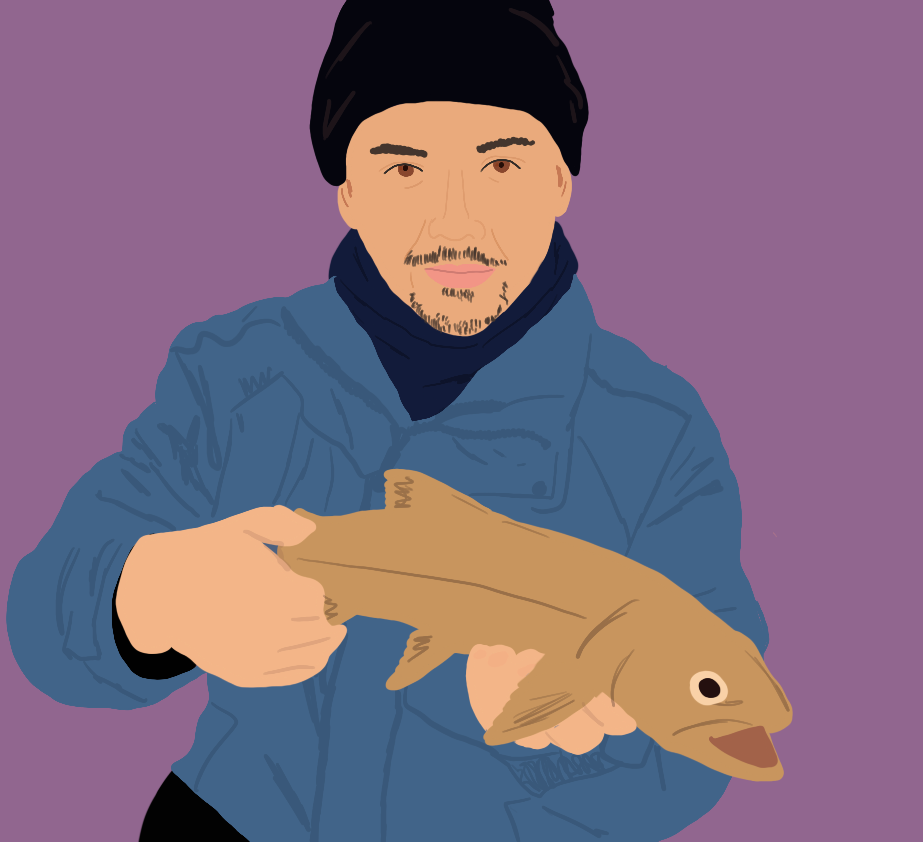



Reyhane Rastgoo is PhD student at Virginia Tech, studying Fish and Wildlife Conservation and an active member of the Wildlife Outreach and Conservation Society.
As a conservation social scientist, Reyhane’s research focuses on the intersection of conservation and social science, particularly the human dimensions of natural resources and human-wildlife interactions.
As a Graduate Research Assistant at Virginia Tech, her research focuses on understanding the motivations and barriers influencing landowners’ enrollment in Conservation Reserve Program (CRP) practices for longleaf pine restoration. Reyhane uses a mixed-methods approach to provide recommendations to the USDA designed to reduce enrollment barriers and facilitate lasting restoration of longleaf ecosystems.
For her outreach project, Reyhane created an infographic (right) focused on raising awareness for longleaf pine habitat loss and restoration efforts. The longleaf pine (Pinus palustris) once covered over 90 million acres across the southeastern U.S., but now only about 5 million acres remain. This dramatic decline is mainly due to human-caused environmental changes. These forests play a critical role in preserving biodiversity, enhancing environmental resilience, and providing essential corridors and habitats for wildlife. They also offer landowners economic opportunities through the growth of high-quality timber and recreation.
The main goals of this infographic are to highlight the importance of restoring and conserving longleaf pine forests, the history of their loss, the benefits these forests provide and how people can get involved. Check out the infographic and follow the links below to learn more about longleaf pine, why it matters and how to get involved in your community!